
There is a meaningful psychological line between zero saved and one thousand dollars saved. Below that line, every unexpected bill is a crisis. Above that line, most of the small chaos of everyday life — a flat tire, a sick pet, a surprise copay — becomes an inconvenience instead of a credit card balance. Getting to that first $1,000 is the single highest-leverage financial move most households can make this year.
Doing it in sixty days, even on a tight income, is not a fantasy. It does take a focused plan, a willingness to put a few categories on hold for two months, and one small income or expense lever you may have been ignoring. Here is the exact playbook.
Why $1,000 specifically (and not your full emergency fund)
A full emergency fund — typically three to six months of essential expenses — is the long-term goal. But building one from scratch is a year-long project for most households, and momentum dies somewhere around month four when the balance is still small and life keeps interrupting.
A $1,000 starter fund is different. It is small enough to actually finish in two months, large enough to absorb the most common surprise expenses, and tangible enough to feel real. Once you have it, the bigger emergency fund becomes a steady background project instead of a daily worry.
$500–$1,500
Range that covers about 80% of common 'surprise' expenses — most car repairs, vet bills, urgent care visits, and minor home fixes
Where to keep the $1,000 (and where not to)
Open a separate, no-fee savings account at an institution different from your everyday checking. The friction of transferring money between two different banks is a feature, not a bug — it prevents the 'I'll just borrow from savings for tonight' habit that quietly kills emergency funds.
Look for an account with no minimum balance, no monthly fees, and a competitive interest rate. Online banks generally beat traditional brick-and-mortar banks on rates by a wide margin. Read the fine print on any account that advertises a very high promotional rate — those rates often drop after a few months unless you maintain unusual conditions.
The two levers: cut for sixty days, earn for sixty days
To save $1,000 in sixty days you need to find about $500 a month. Most households find it by pulling two levers at once — one cut and one earn — rather than trying to do it all from one side.
On the cut side, pause two categories temporarily: dining out and any non-essential subscription. For most households this alone frees $150–$300 a month. On the earn side, pick one short-term income source: a few extra shifts, a temporary side gig, a household item sale, or a paid skill you already have. The goal is not to build a permanent income stream — it is to find about $200–$300 a month for sixty days.
Common 60-day income boosters that actually work:
- Selling 10–20 unused household items on resale apps ($200–$600 total)
- Taking on 4–8 hours of side work per week in a skill you already have
- Picking up a temporary overtime shift if your job offers one
- Negotiating one annual bill (insurance, internet) and redirecting the savings
The sixty-day schedule, week by week
Week one: open the separate savings account, calculate your target weekly transfer ($125 a week gets you to $1,000 in eight weeks), and pause the two spending categories. Set up an automatic transfer for the day after each paycheck hits.
Weeks two through four: list and sell ten household items. This alone often delivers $200–$400 toward the goal and removes physical clutter at the same time. Photograph items as a batch on a single afternoon to keep the friction low.
Weeks five through eight: lean into the income side. Pick up an extra shift, finish a small side project, or finalize the negotiated bill. By week eight, the automatic transfers plus the extra income should put the balance at or past $1,000.
💡 Pro Tip
Set the automatic transfer for the day after payday, not payday itself. Most paychecks settle a day later than expected, and a failed transfer on the morning of payday can cause an overdraft.
The three psychological traps that derail the sprint
First, the 'I'll just borrow from it' trap. The whole point of the $1,000 is that it sits untouched. If you dip in for non-emergencies, you have just created an extra checking account. Define 'emergency' in writing before the fund exists.
Second, the 'reward myself' trap. Two months of focused saving makes people want to celebrate with a purchase that erases the progress. Plan a small, cheap reward in advance — a nice meal at home, a small outing — and put it on the calendar for day 61.
Third, the 'pause everything forever' trap. The sixty-day sprint is meant to be temporary. After the fund is built, restart the categories you paused, possibly with smaller numbers. Permanent restriction is not sustainable; targeted short sprints are.
What to do on day 61
Once the $1,000 is in place, do not stop the automatic transfer. Reduce it — perhaps to $50 a week instead of $125 — and let the balance grow quietly into a fuller emergency fund over the next year. The hardest part is over. From here, it is steady background work.
If you have high-interest debt, redirect the difference between the sprint amount and the new lower transfer toward extra debt payments. That combination — small ongoing savings deposit plus aggressive debt payoff — is the most effective post-sprint setup for most households.
$1,000 saved is not the end of the financial story, but it changes how the next year of money decisions feels. A focused sixty-day sprint, with one cut and one earn happening at the same time, is the fastest reliable way to get there. Pick your start date, open the separate account, and treat the next eight weeks as a sprint with a clear finish line.

Written by
Priya ShahVerified Writer
Personal Finance Writer
Priya writes about side hustles, savings strategy, and first-time home buying. Her work has been quoted in regional newspapers and personal finance newsletters across the US.
Related Articles
 Saving 7 min read
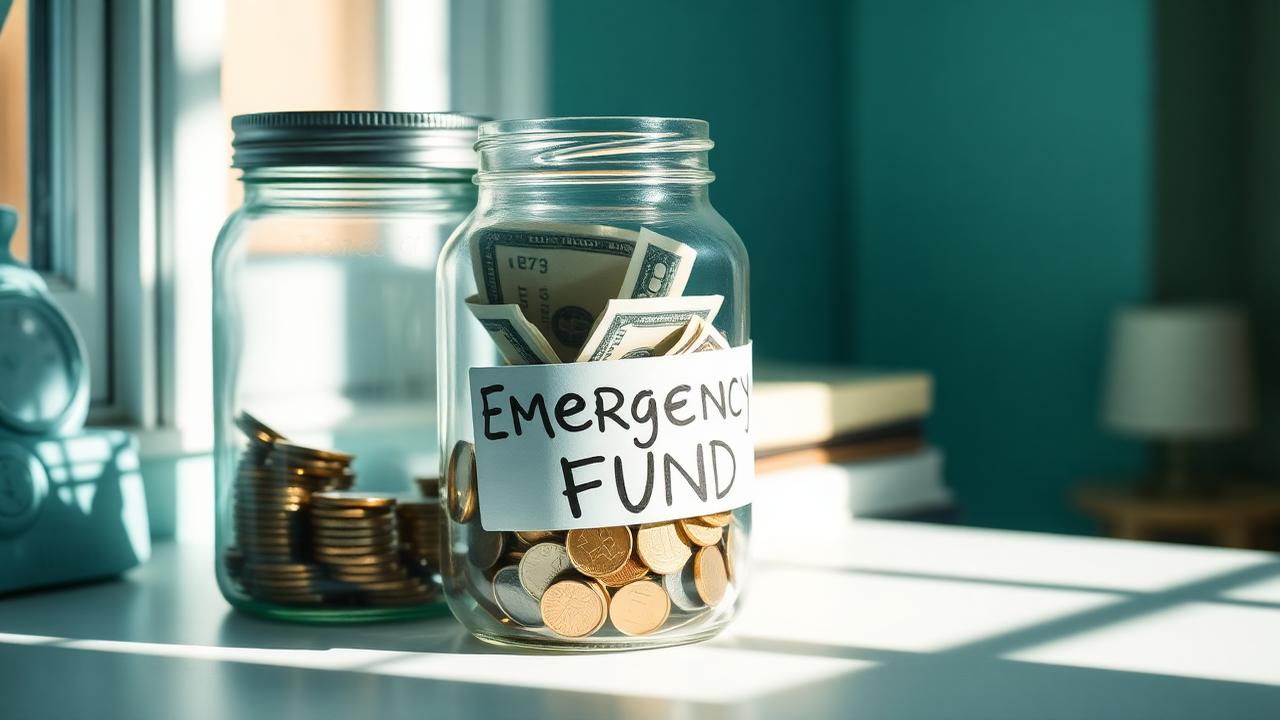
How Much Should You Really Keep in an Emergency Fund?
Three months? Six months? A year? The honest answer depends on five factors most articles never mention — your job stability, household income streams, fixed monthly costs, insurance coverage, and the bare-minimum survival number you can actually live on if everything goes sideways for a full quarter.
Priya ShahJune 2026Beginner Saving 6 min read
The Best High-Yield Savings Accounts for 2026 (And How to Pick One)
Online savings accounts now pay roughly ten times what the average brick-and-mortar bank offers, but the highest advertised rate is rarely the right choice. Learn the five features that matter more than the APY headline and the two common gotchas that quietly reduce the rate after your first deposit.
Priya ShahMay 2026Beginner Saving 8 min read
Sinking Funds vs Savings Accounts: Where Should Each Goal Live?
A savings account is a place. A sinking fund is a purpose. Knowing which goals belong in each — and how to fund them automatically — is one of the small organizational shifts that quietly changes how money feels.
 Sarah MitchellMay 2026Beginner
Comments are coming soon. In the meantime, share your story on our newsletter — we feature one every Tuesday.