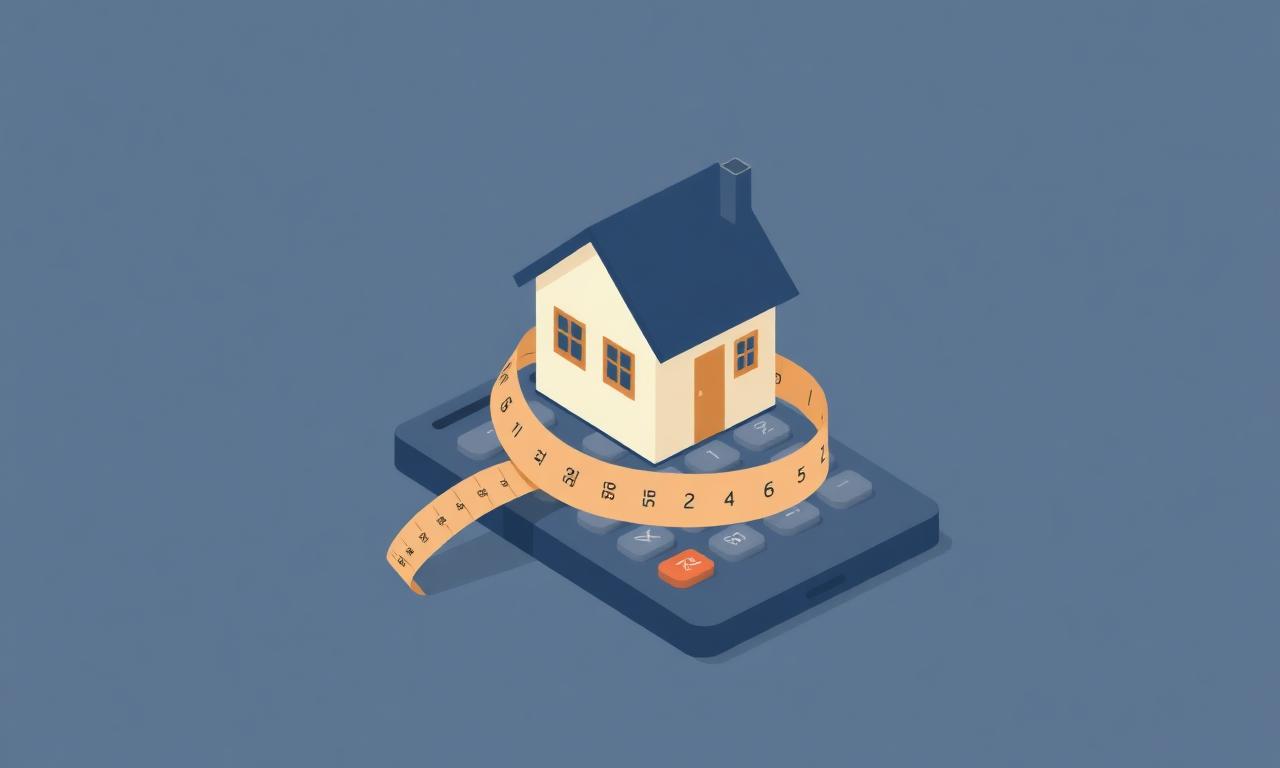
Mortgage lenders will often approve buyers for far more than they should actually borrow. The traditional '28% of gross income on housing' rule was a useful guardrail for an earlier generation, but in 2026 it leaves most households dangerously close to the edge once student loans, childcare, and the realistic cost of homeownership are layered in.
This guide walks through a more honest framework for figuring out what you can actually afford, the costs that quietly break first-time-buyer budgets, and the question to ask yourself before signing anything.
Why the 28% rule no longer reliably works
The 28% rule says your monthly housing cost (principal, interest, taxes, insurance) should not exceed 28% of your gross monthly income. The 36% rule extends this to all debt payments. These were created when households had less consumer debt, lower childcare costs, and lower healthcare costs as a percentage of income.
In modern households, by the time you cover taxes, retirement contributions, student loans, childcare, healthcare premiums, and basic transportation, a 28% gross housing payment can leave very little margin. Add a single unplanned cost — a roof repair, a medical event — and the household is squeezing every other category to survive.
A more honest framework: 25% of take-home pay
A safer modern guideline used by many financial planners is to cap your all-in housing cost — principal, interest, property tax, insurance, HOA — at 25% of take-home (net) pay. This is a tighter constraint than the 28% gross rule and accounts for the reality that taxes and benefit deductions eat a meaningful share of gross income before housing costs hit.
For families with significant other obligations (student loans, childcare, special needs costs), 20% is more appropriate. For households with no debt, no kids, and stable two-income setups, 28–30% of take-home can be sustainable. The number is a guideline, not a law — but starting from take-home pay rather than gross is meaningfully more honest.
$300–$800
Typical monthly 'true cost of owning' beyond mortgage P&I and taxes that first-time buyers underestimate, depending on home age and size
All the costs first-time buyers underestimate
The mortgage payment is not the only cost of owning. The honest monthly figure includes property taxes (often 1–2% of home value annually), homeowners insurance (typically $1,000–$3,000 per year depending on region and home value), private mortgage insurance if your down payment is under 20% (typically 0.3–1.5% of the loan annually), HOA fees if applicable, and a maintenance reserve.
The maintenance reserve is the line most buyers forget. A common rule of thumb is 1% of the home's value per year — but for older homes, it can easily be 2% or more. Roofs eventually need replacement, water heaters fail, HVAC systems wear out, foundations need attention. Spread over a decade, these costs are inevitable.
Hidden ownership costs that wreck first-year budgets:
- Closing costs at purchase: 2–5% of purchase price
- Moving costs: $1,500–$5,000+ depending on distance
- Initial furniture and appliances: easily $5,000–$15,000 for a first home
- First-year repairs and small upgrades: $2,000–$8,000 typical
- Higher utility bills than a smaller previous apartment
Down payment math beyond the 20% myth
The 20% down payment is a useful target for two reasons: it avoids private mortgage insurance and it provides a meaningful equity cushion. It is not a legal requirement, and many loan programs allow down payments as low as 3–5%.
The trade is real, though. A smaller down payment means a larger loan, higher monthly payments, PMI in most conventional cases, and less equity if the market dips. For households who can comfortably afford the resulting payment, smaller down payments can be reasonable — but they should not be used to stretch into a more expensive home than the household can support.
The two-question stress test before any offer
Before signing anything, run the offer through two questions. First: 'If our household income dropped 20% for six months, could we still make this mortgage payment without touching retirement savings or going into credit card debt?' If no, the home is too expensive.
Second: 'If interest rates and home prices in our area both dropped 15% next year, would we still be glad we bought?' If the answer hinges on the market behaving exactly as you hope, you are stretching. If you would still be glad because the home fits your life and you can afford the payments, you are in safe territory.
💡 Pro Tip
Get pre-approved for more than you intend to spend, then quietly ignore the higher number. Lender pre-approval is a 'maximum you might qualify for,' not 'amount you should spend.' Use your own 25%-of-take-home cap to set your real budget.
The quiet cost: lost optionality
Buying at the very top of what you can afford locks you in. Career changes become harder when the mortgage requires a high income. A new job in a different city becomes complicated when selling triggers transaction costs that eat your equity. A health setback that affects work becomes scarier.
Buying somewhat below your maximum preserves flexibility — and flexibility is one of the most underrated financial resources a household can hold. The home that lets you keep options open is often a better long-term decision than the home that uses every dollar of your budget.
First-time buyer programs to know about
Federal, state, and local programs exist that can help first-time buyers with down payment assistance, lower interest rates, or reduced PMI requirements. FHA loans, VA loans (for eligible service members and veterans), USDA loans (in eligible rural areas), and state-specific first-time buyer programs are all worth investigating.
The Consumer Financial Protection Bureau (CFPB) maintains plain-language guides explaining these programs. Local HUD-approved housing counselors can walk you through what is available in your specific area. These services are typically free or low cost and can be a useful first step before talking to a lender.
What you can afford is a different question from what a lender will approve you for. Cap your true all-in housing cost at 25% of take-home pay, budget realistically for the hidden costs, and stress-test the offer against an income dip before you sign. A home you can comfortably afford is one of the best decisions a household can make. A home that uses every dollar of your budget is one of the most stressful. Aim for the first.

Written by
Priya ShahVerified Writer
Personal Finance Writer
Priya writes about side hustles, savings strategy, and first-time home buying. Her work has been quoted in regional newspapers and personal finance newsletters across the US.
Related Articles
 Real Estate 10 min read
House Hacking 101: How to Live for Free (or Almost Free)
House hacking means buying a small multi-unit property, renting out the other units, and letting your tenants cover the mortgage. It sounds too good to be true — and for some buyers it is. Here is exactly how the math works, what loans you qualify for, and the three personality traits that separate successful house hackers from miserable landlords.
 Marcus LeeApril 2026Intermediate
 Real Estate 13 min read
First-Time Home Buyer Checklist: The 14 Steps Nobody Tells You About
The internet is full of generic 'save 20% down' advice, but the real first-time buyer experience involves earnest money disputes, inspection negotiations, appraisal gaps, lender lock fees, and a closing-day stack of paperwork most people sign without reading. Here is the honest, step-by-step path from pre-approval to keys.
Priya ShahMarch 2026Intermediate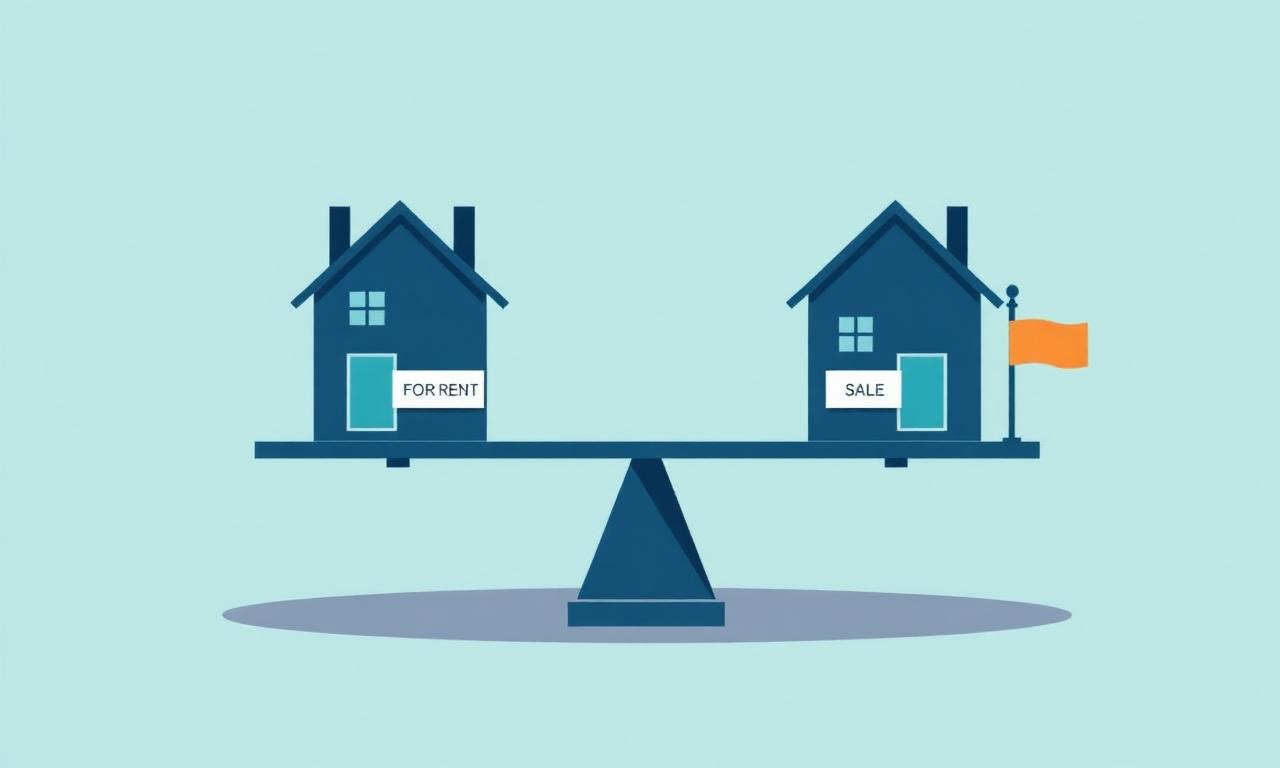 Real Estate 10 min read
Renting vs Buying in 2026: The Real Math Nobody Shows You
'Renting is throwing money away' is one of the most repeated and least useful pieces of advice in personal finance. The honest framework — including the true cost of owning and the five-year rule — usually makes the right answer obvious.
Marcus LeeJune 2026IntermediateComments are coming soon. In the meantime, share your story on our newsletter — we feature one every Tuesday.