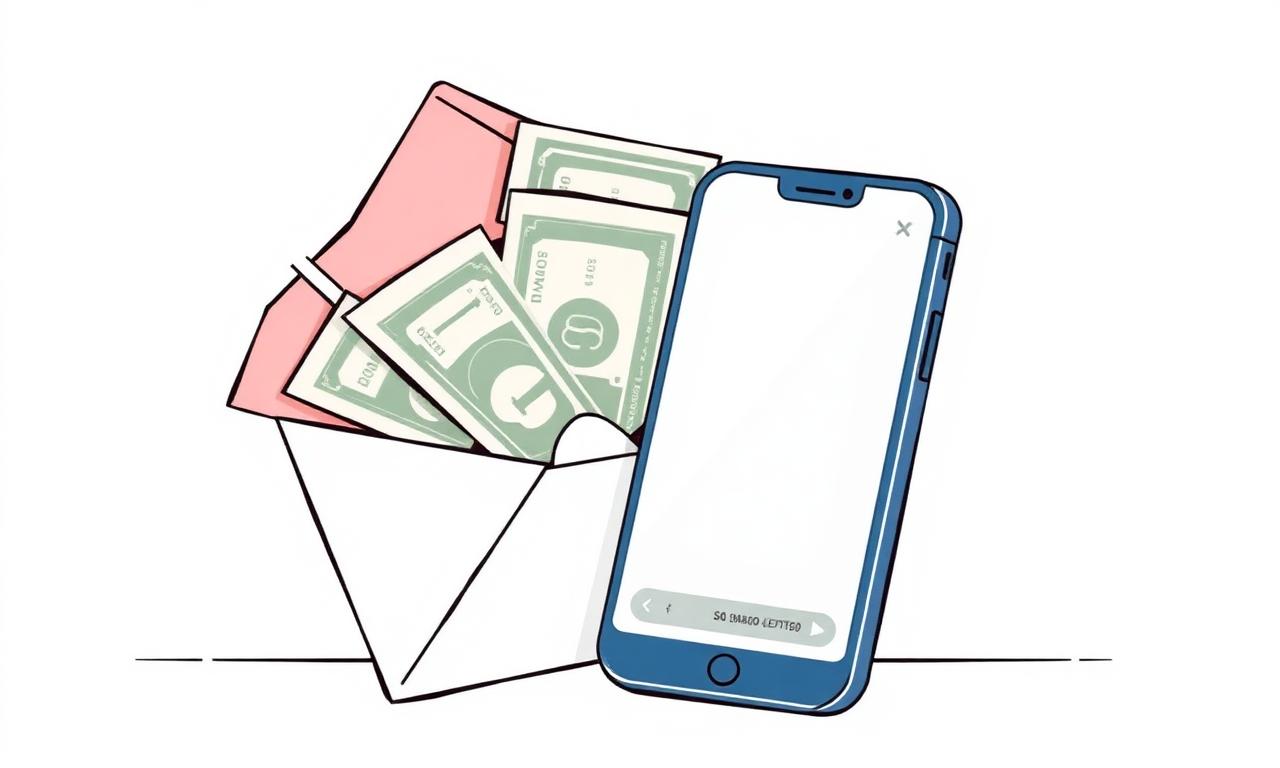
Cash envelope budgeting was the household-finance breakthrough of an earlier era. You took out the cash you had budgeted for groceries, gas, and fun money, stuffed it into labeled envelopes, and when an envelope was empty you were done spending in that category until the next paycheck. Tactile, simple, and almost impossible to overspend.
The trouble is that in 2026, most of us pay for groceries by tapping a phone, gas pumps prefer cards, and almost no one carries cash on date night. Envelopes are not dead — but the modern version is a digital-and-physical hybrid that keeps the psychological clarity of cash without making you walk past an ATM every Friday.
Why envelopes work, even when nothing else does
The science behind envelope budgeting is something behavioral economists call 'pain of paying.' Spending physical cash hurts a little more than swiping a card, because handing over bills creates a small, tangible loss in the moment. Studies of consumer behavior have shown people consistently spend less when paying with cash than with cards for the exact same purchase.
Envelopes amplify that effect by tying the cash to a specific category. The envelope labeled 'Groceries' is not abstract household money — it is the food budget for the next two weeks. When you see it shrink, you naturally adjust. No spreadsheet, no app notification, no willpower required.
12–18%
Typical spending reduction observed in studies comparing cash vs. card payment for the same shopping category
What modern life broke about the original system
Three things make pure cash envelopes painful in 2026: most grocery stores discount loyalty pricing only when you scan an app, gas pumps prefer cards (cash is sometimes cheaper but usually less convenient), and online purchases — which now make up a meaningful share of household spending — are essentially impossible to do with cash.
On top of that, carrying $400 in cash makes most households nervous. The original system was built for an era when grocery stores were the main weekly errand and online shopping barely existed. It needs an update.
The hybrid system: digital envelopes with one cash override
The version that works for most modern households uses digital 'envelopes' inside a checking account or budgeting app, combined with a single physical cash envelope for the one or two categories where cash discipline actually moves the needle.
Digital envelopes can be set up two ways. The simplest is to open a second checking account at the same bank, label it 'Variable Spending,' and transfer your two-week budget for variable categories (groceries, gas, household, fun money) into it every payday. Anything left in your primary checking is for fixed bills and savings. Pay variable expenses from the variable account; when it gets low, you slow down. Same psychology as envelopes, no cash withdrawal.
The cash envelope override is reserved for one specific category: the one you consistently overspend on. For many households this is 'eating out' or 'fun money.' Withdraw the two-week amount in cash, put it in an actual envelope, and use cash for those purchases only. The other categories live happily on cards.
A common hybrid setup that works well:
- Primary checking → fixed bills, rent/mortgage, automatic savings
- Variable checking → groceries, gas, household, kids — paid by card
- Cash envelope → eating out and fun money — paid in cash
Apps and tools that play nicely with the hybrid approach
You do not need a specific app to run a hybrid envelope system. Plenty of households do it with two checking accounts at the same bank and a single physical envelope. That said, some budgeting tools are designed around the envelope concept and can make it easier to maintain, particularly if you and a partner are coordinating spending.
Look for tools that let you assign every dollar in your account to a category before you spend it, and that update balances in real time. Be cautious about any service that charges high monthly fees relative to the savings it produces. A budgeting tool that costs $15 a month needs to save you a meaningful amount more than that to be worth it.
⚠ Watch Out
Be skeptical of any budgeting tool that requires connecting your bank credentials to a third-party service whose security practices you have not vetted. Read the privacy policy before linking accounts.
Cash is also one of the best ways to teach kids about money
Even if your household runs digitally most of the time, keeping a small cash element is one of the best ways to model spending decisions to children. Kids learn the math of money faster with physical bills than with the abstraction of a card. A short weekly trip where they help count out cash for a small grocery item builds intuition that no app will replace.
This is not a financial necessity for adults — it is a parenting tool that happens to live inside the cash envelope tradition. Worth keeping in mind if you have kids around budgeting age.
The three ways the hybrid system fails (and how to fix each)
Failure one: not refilling the cash envelope on payday. The system only works if the cash is there. Set a recurring calendar reminder for payday morning and treat the trip to the ATM like a non-negotiable bill.
Failure two: dipping into the wrong checking account. If you treat your variable checking as a backup for the primary one, the envelope effect disappears. Keep them genuinely separate and resist the urge to transfer between them mid-cycle.
Failure three: making categories too granular. Two or three digital envelopes plus one physical envelope is plenty. Five separate digital accounts will not survive a busy month.
Cash envelopes still work in 2026 — just not in their original form. Pair two checking accounts with one well-placed physical envelope for the category you genuinely overspend on, and you get the psychological wins of envelope budgeting without making your daily life harder. Run it for ninety days before judging it; the first month always feels awkward, and the third month usually feels obvious.

Written by
Sarah MitchellAdmin · Verified
Editor-in-Chief · CFP®
Sarah leads the WealthPulse editorial team. A Certified Financial Planner with 12 years guiding families out of debt and into investing, she paid off $47K of her own student loans in 26 months and personally reviews every guide published on the site.
Related Articles
 Budgeting 9 min read
Zero-Based Budgeting: The Complete 2026 Guide
Give every dollar a job before the month begins and you will stop wondering where your money went. This guide walks through exactly how a zero-based budget works, the simple spreadsheet (or app) you can copy in ten minutes, the categories that actually matter for a real household, and the three mistakes that quietly sabotage most new budgeters in their first ninety days.
Sarah MitchellJune 2026Beginner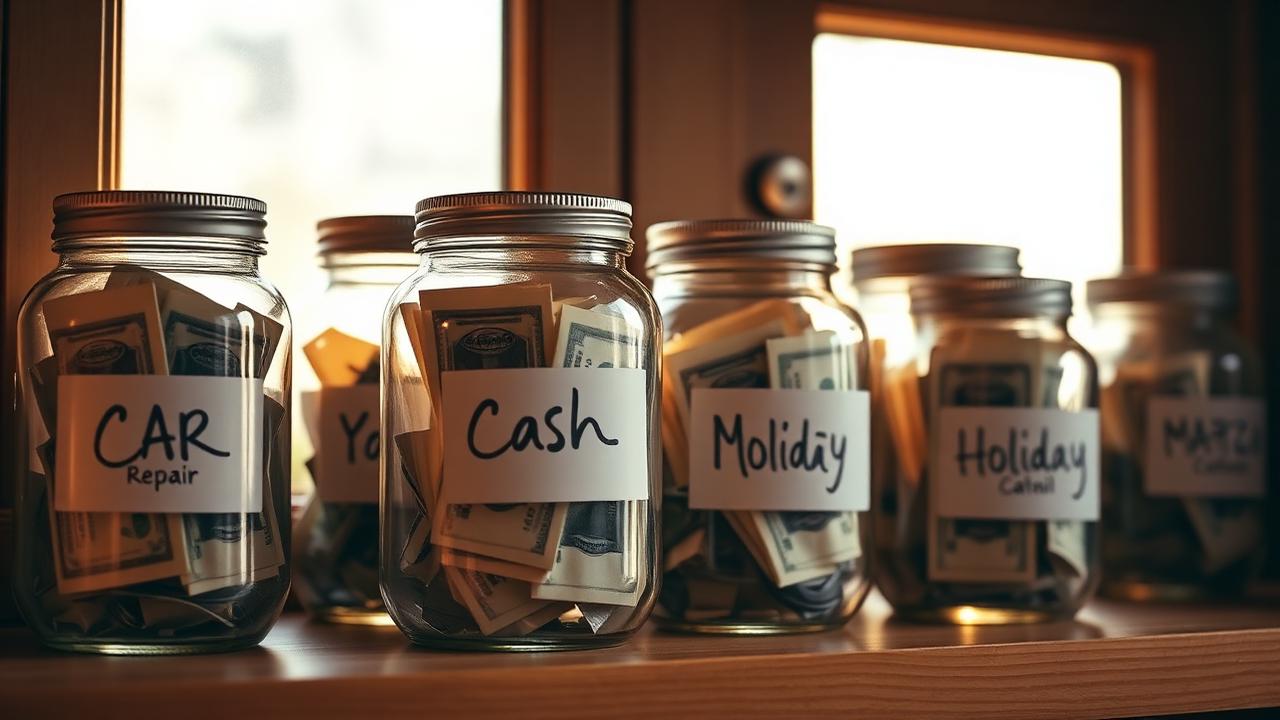 Budgeting 6 min read
Sinking Funds: The Boring Savings Trick That Ends Surprise Bills Forever
Car repairs, Christmas, the next vet visit, the dreaded annual insurance bill — none of these are emergencies. They are predictable expenses that simply show up at inconvenient moments. Sinking funds are the simplest possible fix, and once you set them up you will never use a credit card to bridge a 'surprise' bill again.
Sarah MitchellMarch 2026Beginner Budgeting 10 min read
How to Build a Family Budget on a Single Income Without Feeling Broke
Running a household on one paycheck is more about rhythm than math. The framework below uses three simple buckets, a clear funding order, and one weekly check-in to keep a single-income family in control of money without feeling restricted.
Sarah MitchellJune 2026BeginnerComments are coming soon. In the meantime, share your story on our newsletter — we feature one every Tuesday.